Concrete Contractor in Grapevine, TX

Click to Call817-776-4658

Your Grapevine Concrete Contractor for Drives, Patios and Walks
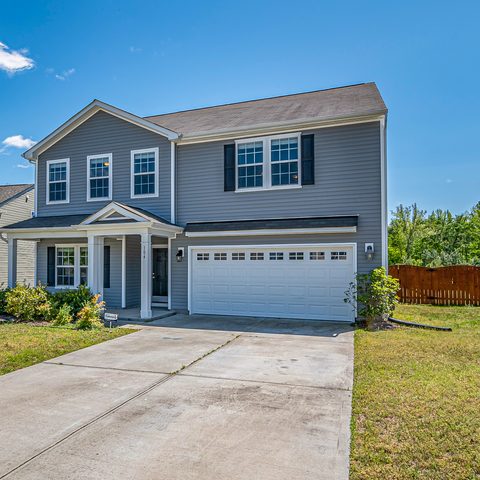
Gray two-story house with a concrete driveway leading to a white garage door

Grapevine Custom Concrete is a concrete contractor for homeowners in Grapevine, TX. We handle new driveways, patios, sidewalks and walkways, plus repair and replacement of concrete that has cracked, sunk or broken up. Call 817-776-4658 or send the form, and we come out, look at the job and give you a free quote.

Around here a slab sits on clay that moves with the rain, bakes through July and August, and now and then takes a hard freeze. Good work here is mostly about what happens before the truck arrives: the digging, the base, the forms and the plan for water.

Plenty of calls start small. A crack across the drive that gets a little wider every summer. A back patio that has begun to tip toward the house. One panel of the front walk sticking up where a root got under it. Others start big, like breaking out a narrow builder driveway and pouring a wider one.

Each kind of job has its own page: concrete driveways, concrete patios, concrete repair and sidewalks and walkways. Below that, this page covers the ground, the weather and the offices worth calling before a Grapevine pour.

The number is 817-776-4658. If you would rather type than talk, the form beside this text reaches the same place.

Free Concrete Quote

Free quote. No obligation.
What do you need?

Before You Pour in Grapevine: Soil, Weather and Who to Ask


The clay under the slab

Most of what goes wrong with flatwork around here starts underneath it. Much of North Texas sits on expansive clay, which swells as it takes on water and shrinks as it dries. The North Central Texas Council of Governments describes deep cracks opening in these soils during dry seasons, and pavement edges that rise and fall with the wet and dry cycle.

The City of Grapevine’s own permit answers mention expansive soils when they explain why new house foundations usually get an engineer’s design. A driveway is not a foundation, but it rests on the same ground. That is why the prep matters so much: a firm, evenly graded subgrade, a base layer, and water steered away from the edges instead of soaking in beside them.

North Texas weather and fresh concrete

The National Weather Service office in Fort Worth puts the average first freeze for Dallas/Fort Worth around November 22 and the average last freeze around March 12. The same office notes that city growth has cut the number of freezes recorded at DFW Airport compared with suburban and rural spots, so a yard away from the pavement may see a few more cold nights.

Cold snaps here can be severe. On February 16, 2021, the reading at DFW fell to minus 2 degrees. New concrete has to be kept from freezing while it gains strength, so a winter pour gets planned around the overnight lows.

Spring is storm season. The weather service says thunderstorms and severe weather peak in spring, and that large hail, damaging wind and flooding turn up somewhere in the Metroplex nearly every year. Spring and fall are also the wettest stretches. A downpour can pit a surface that has not set, so pour days are picked around the forecast.

Then comes summer. July and August are the hottest months, with highs that often reach 100 degrees. The weather service lists July 1 as the average first 100-degree day for Dallas/Fort Worth and August 27 as the average last. Heat pulls water out of the surface before the slab below is ready, so summer work tends to start early in the morning, and the fresh concrete is kept damp or covered with a curing compound.

Who to check with before work starts

Concrete Cost in Grapevine: The Line Items


A price for concrete depends on things that only show up in your own yard, so there is no figure on this page. These are the items that move it:

Ask any concrete contractor who quotes your job to list these items, so two quotes can be compared line by line instead of by the bottom number alone.

Several small jobs priced on one visit often make more sense than separate trips. Call 817-776-4658 and we will come out and measure.

Four Kinds of Concrete Work for Grapevine Homes


Nearly every call falls under one of these. Each has its own page with more detail.

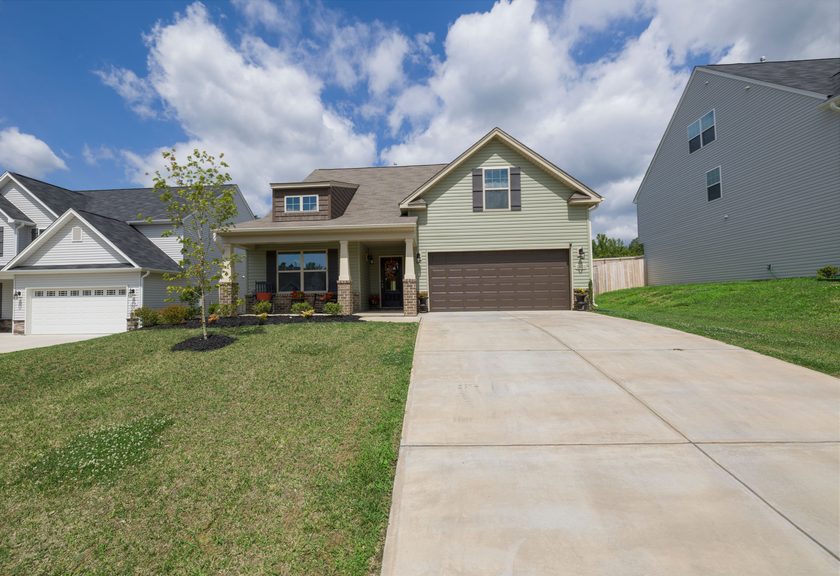
Wide concrete driveway leading up to a brown garage doorNew broom-finished concrete slab across the back of a house with steps to a doorWorker spreading wet concrete inside wood form boards on bare red soil

New and Wider Driveways


A lot of suburban drives are just wide enough for two cars side by side, with little room to open the doors. Widening, adding a parking pad along one side, or replacing the whole drive are the usual reasons to call.

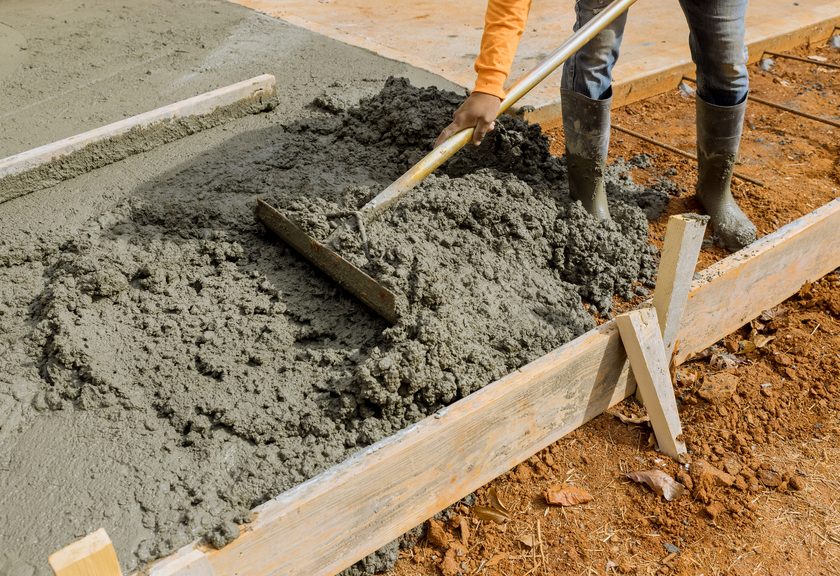
A new drive starts with the old one broken out and the ground checked. Soft spots get dug out and replaced, a base goes down and gets compacted, and forms are set so water runs toward the street instead of the garage. Where the drive meets the curb, the city may want a say.

The concrete driveways page goes through the steps, the finishes and the signs that a drive is past fixing.

Back Patios and Slab Extensions


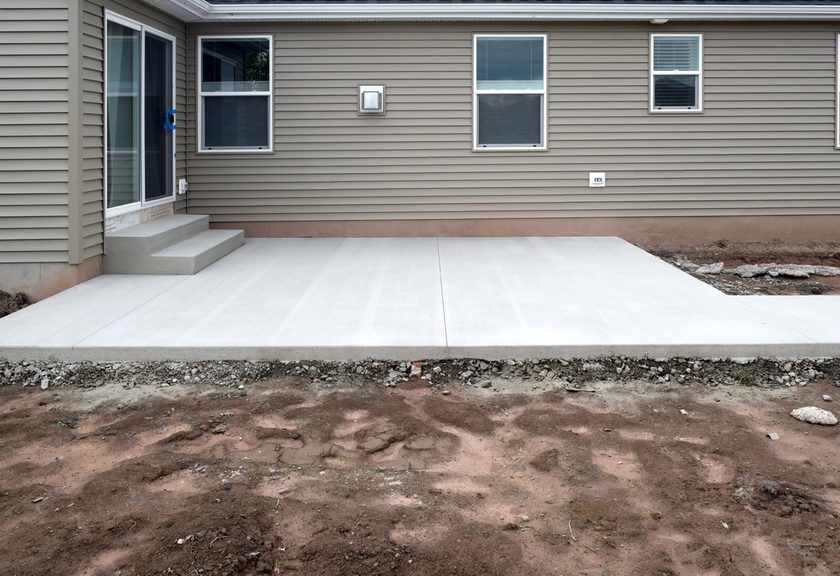
The patio a builder pours is often just a small slab outside the back door. Extending that slab, or pouring a new patio out into the yard, gives you room for a table, a grill and a few chairs.

The patio has to slope away from the house, even if only slightly, so rain does not run back toward the foundation. If you are thinking about a pergola or a covered roof later, say so up front: the city’s permit answers treat a slab that carries a roof differently, and the footings are easier to plan before the pour.

Shapes, finishes and sizes are on the concrete patios page.

Fixing Concrete That Has Cracked, Sunk or Flaked


Many cracks can be dealt with without replacing the slab. A hairline crack that stays flat is mostly a cosmetic matter and can be sealed to keep water out. A panel that has dropped below its neighbor, a crack that opens wider every summer, or a surface that is flaking off in sheets after a few winters needs more than sealant.

The first question is always why. Water running off the roof into one corner, a tree root under a panel, or a weak base will keep causing trouble until it is dealt with.

The concrete repair page covers sealing, patching, resurfacing and when to cut out a section and pour it again.

Front Walks, Side Paths and Steps


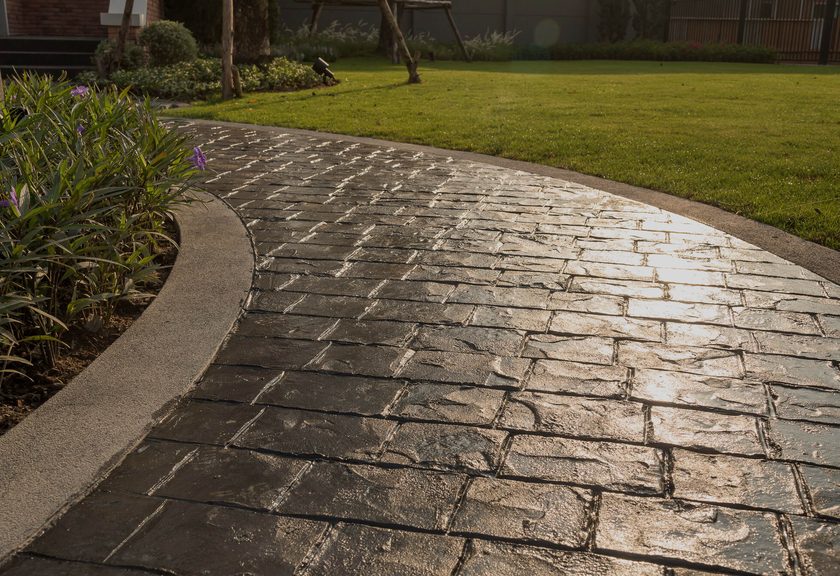
A front walk takes a beating from roots, from water off the roof and from the clay moving under it. Panels lift, edges chip and steps start to rock. A new walk can also change how a house feels from the street, with a wider path, a gentle curve or a stamped border.

Side-yard paths are a different job. They are usually narrower, often run beside the house where gutters drain, and may need to get a wheelbarrow or a mower through a gate.

More on layouts, finishes and city sidewalks is on the sidewalks and walkways page.

Finishes, Color and Joints


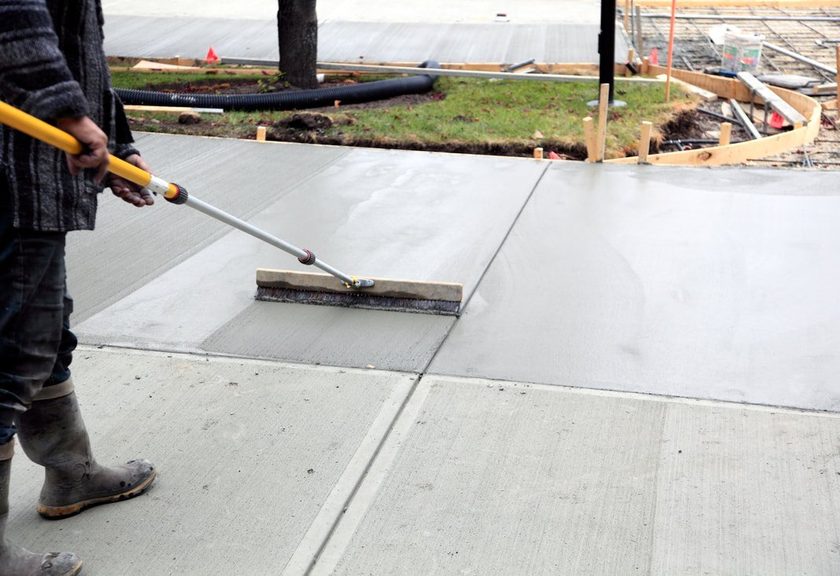
Most residential concrete gets one of a handful of finishes. The right one depends on where the slab is, who walks on it and how much upkeep you want.

Sealer is a choice too. Plain broom-finished concrete is often left bare. Decorative finishes usually look better with a sealer, which brings out the color but can be slick when wet.

Worker running a broom across a new concrete walkCurving stamped concrete path with a stone pattern beside a green lawnNewly finished concrete drive with tooled joints running out to the street

From Your First Call to a Cured Slab


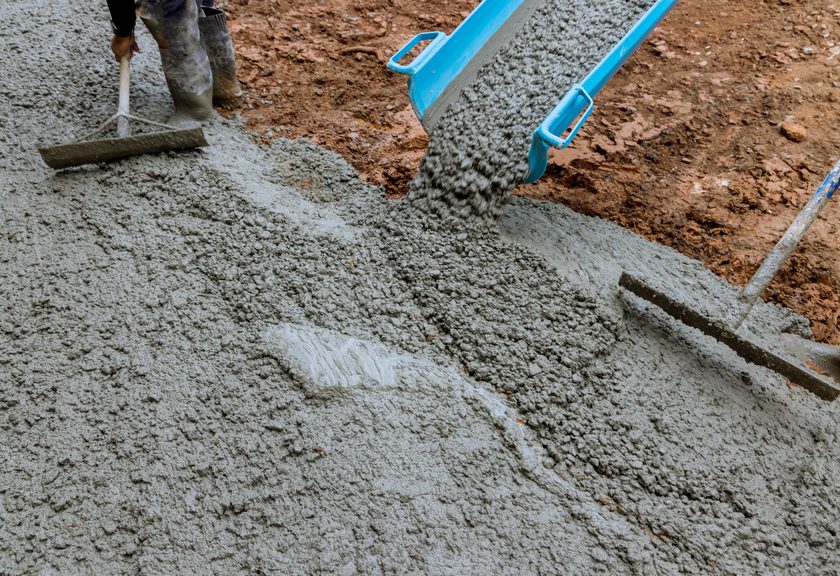
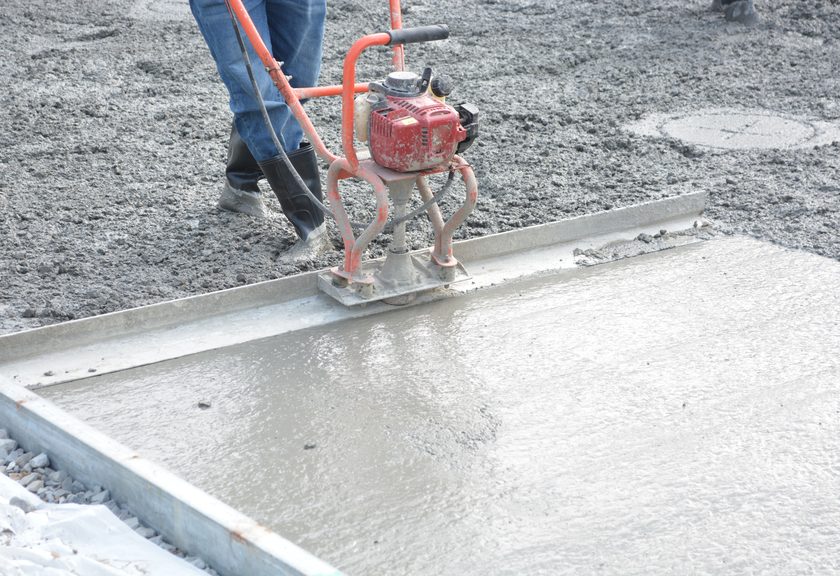
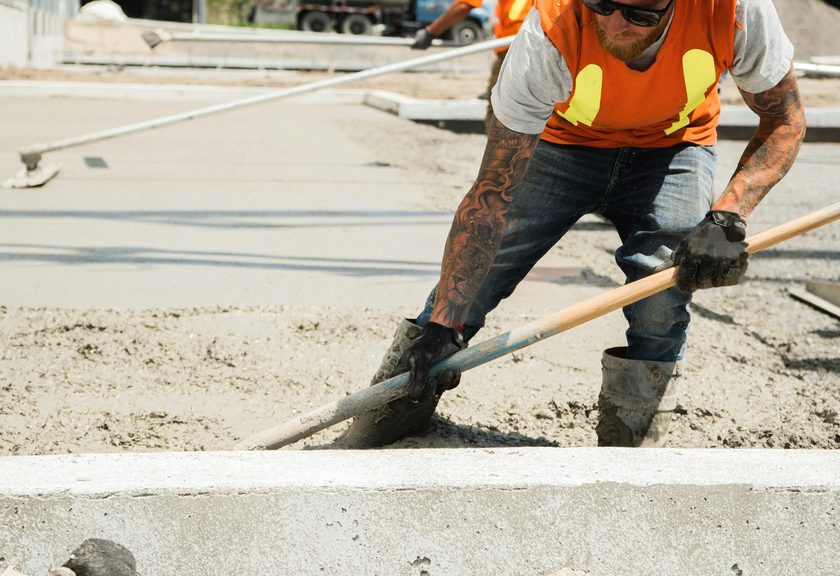
Here is the usual order of a job with a concrete contractor, from the first call to the day you can drive or walk on the new slab.

Concrete sliding down a blue chute while two workers spread it with rakesPower screed riding the form edge to level a freshly placed slabWorker in a safety vest shoveling wet concrete beside a new curb

Concrete FAQ: Joints, Freezes, Hail and Tear-Out


Our house is a few blocks off Main Street. Who should we talk to about a new front walk?

Start with the city’s historic preservation staff. Grapevine has the Historic Township, five local historic districts and a number of individual landmarks, and the city says exterior changes in them are measured against each district’s design guidelines. The staff can tell you whether a walk or a driveway on your lot goes to the Historic Preservation Commission. The city also points out that its approval there is separate from a building permit, so ask Building Inspections too.

Do control joints keep a slab from cracking?

No. Concrete shrinks as it dries and moves with the clay under it, so some cracking is expected. Joints give that cracking a planned place to happen, in a straight line along a groove, instead of wandering across the middle of a panel. Spacing and depth matter, which is why joints are laid out before the pour.

Can concrete go in during a cold week in January?

Often it can, with planning. The weather service puts the average last freeze for Dallas/Fort Worth in mid-March, so a pour in December, January or February has to be planned around the cold. Fresh concrete has to be kept from freezing while it gains strength, which usually means watching the overnight lows, pouring on a warmer stretch and covering the slab with insulated blankets if a cold night follows. If a hard freeze is coming, waiting a few days is the sensible call.

Should I water the yard next to my driveway during a dry summer?

Clay that dries out shrinks and pulls away from the edge of a slab, and clay that gets soaked swells back up. Big swings either way are hard on concrete. Even watering of the beds and lawn along a drive or patio helps keep the ground from moving as much. What helps most is not letting water pond against the edges in the first place.

Will hail damage a new patio?

Hail can leave pits in concrete that has not hardened yet, which is one reason spring pours get timed around the forecast. Once a slab has cured, hail is mostly a worry for roofs and cars. A sealer on a stamped or colored surface can show scuffs after a bad storm and may need a fresh coat.

What should I have ready before someone comes out to look?

Not much. Know roughly what you want, have an idea of the size, and walk the area with us so we can see how a truck would get close. If you have a survey of the lot, an HOA letter or a note from the city about the job, keep it handy. Photos of the old concrete help on the phone, but the free quote comes from seeing it in person.

Is breaking out the old concrete part of the price?

It can be. Tear-out, hauling the broken pieces away and any grading work can all be priced along with the new concrete, so ask what the quote includes. If you plan to remove the old slab yourself, mention it at the visit.

Grapevine Neighborhoods and the Cities Next Door


Grapevine lies mostly in Tarrant County, with small pieces in Dallas and Denton counties. State Highways 114 and 121 and Interstate 635 meet near the middle of town, Grapevine Lake lies just north of town, and a large piece of DFW Airport falls inside the city limits.

Inside the city, we work from the older blocks around historic Main Street out to the newer subdivisions toward the lake and the highways. If you need a concrete contractor in one of the cities next door, the same free quote applies.

The city lists Southlake, Colleyville, Euless, Coppell and Lewisville as its neighbors, and Flower Mound sits across the lake. We cover homes in those cities as well, depending on the job. If you are not sure your address is in range, ask when you call 817-776-4658.

Click to Call817-776-4658
Click to Call: 817-776-4658